The Joy of Mending

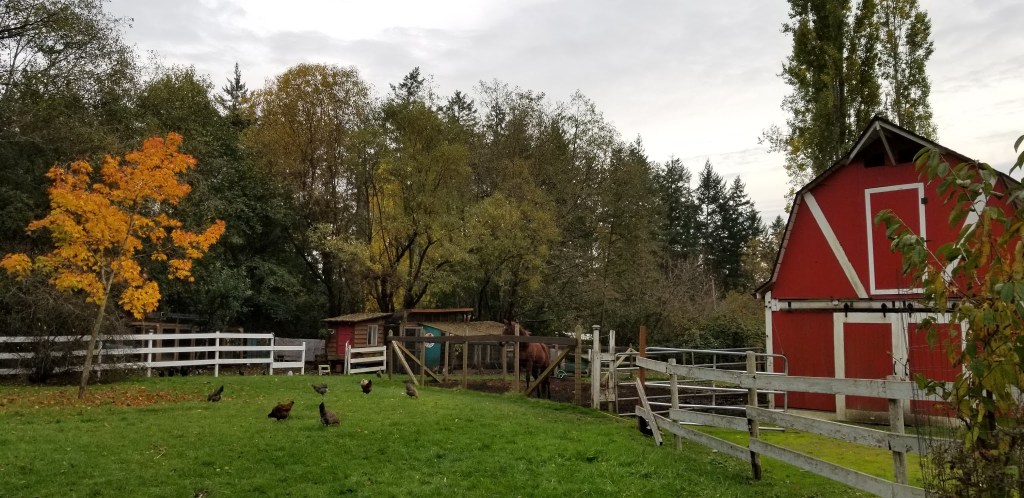
I visit the barnyard at least four times each day, and never without a pair of gloves on. This habit is so ingrained I feel quite strange without them. 

I find light duty gloves to be indispensable in the barnyard. They warm my hands, have saved me from many cuts and slivers, and keep the poop just that little bit further away from my actual skin. 

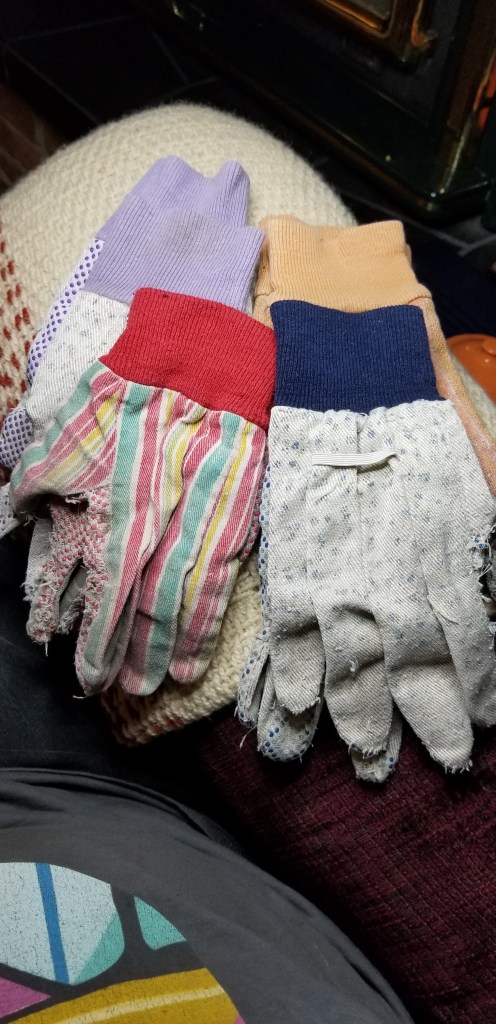
They also cost money, get dirty fast, and it’s hard to find comfortable ones. After trying many styles and materials over the years, I have developed a clear favourite; light printed cotton ladies gardening gloves with stretchy cuffs. They are easy to slip on and off and thin enough that my fingers stay nimble. You can’t beat the price, and they sail through the laundry beautifully. 

Lots of people like the stretchy nylon gloves with rubberized fingers and yes, those are comfy, I used to buy Costco packs of the Gardena ones before chickens. But chickens means poop, and poop means more frequent laundering. The rubbery gloves don’t do well in the dryer. After I got chickens, I grew tired of ending up on my knees every laundry day with my head inside the dryer, peeling half melted gloves off the drum walls. So I went all in on the cotton ones.

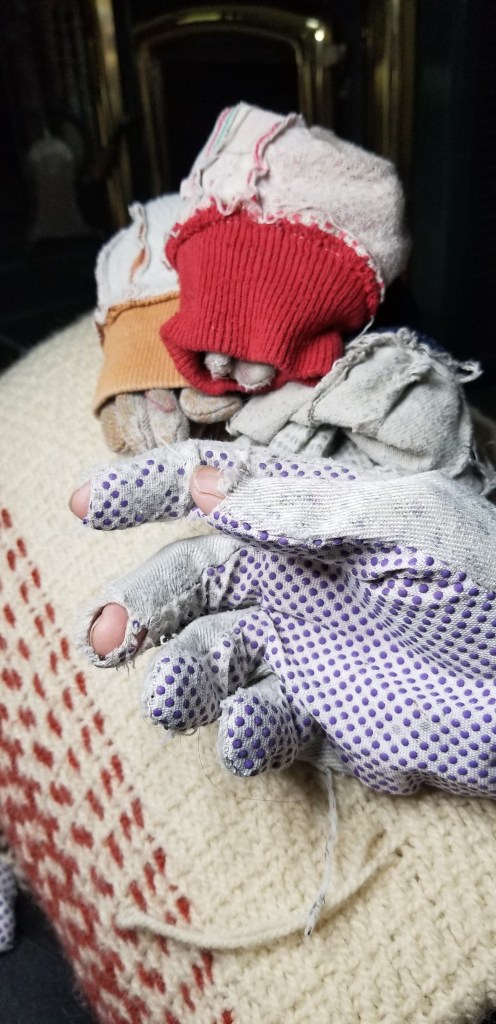
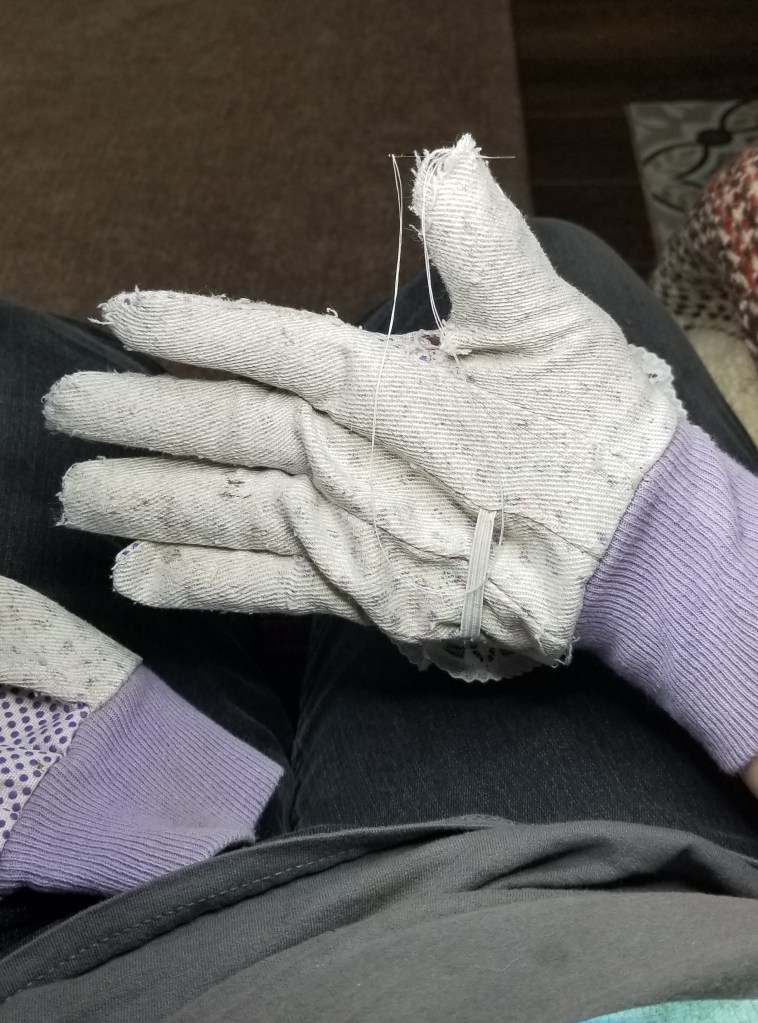
As all gloves do with such frequent use, mine develop holes from time to time. Curiously, to me anyway, it’s always the right hand that gets the holes, very few on the left, and I’m left handed! You would think it would be the other way round. The holes are often at the fingertips, also a prime danger zone for poop-to-skin contact. But rather than chuck them and pull out a new pair, I like to repair my gloves.

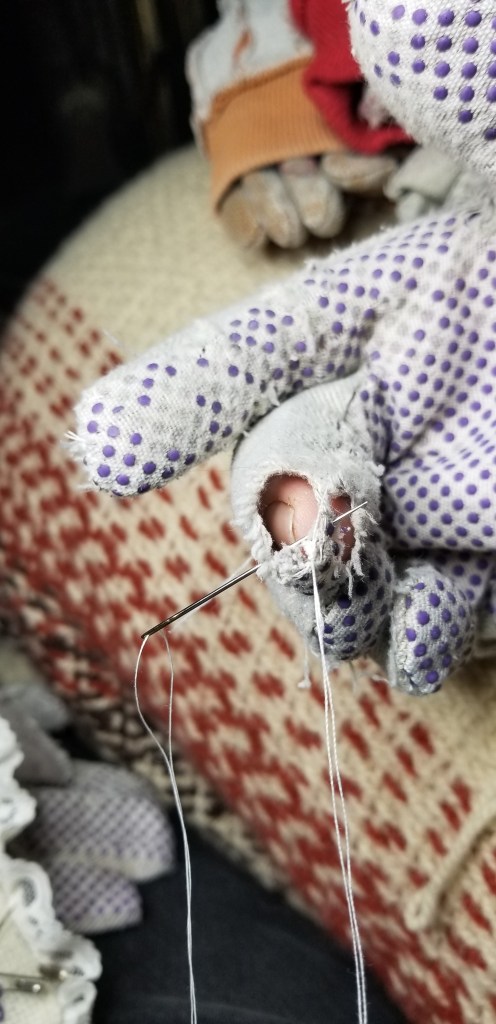
When I have collected a few pairs that need fixing, and they are fresh from the wash, I will sit down with a needle and thread, slide a holey glove on my right hand, and sew up the holes with my left. As noted above, since most holey gloves are right handers, and I am left handed, this works well.

When I have to fix a left hander, I use the same strategy. I have learned it is better to force a glove onto the wrong hand than to wield a sharp needle with one.

It takes only a few minutes to stitch up each glove, and my effort gains me months more use out of each pair. This makes me happy. There is a great deal of joy to be found in mending, if you look for it.

My Covid Project

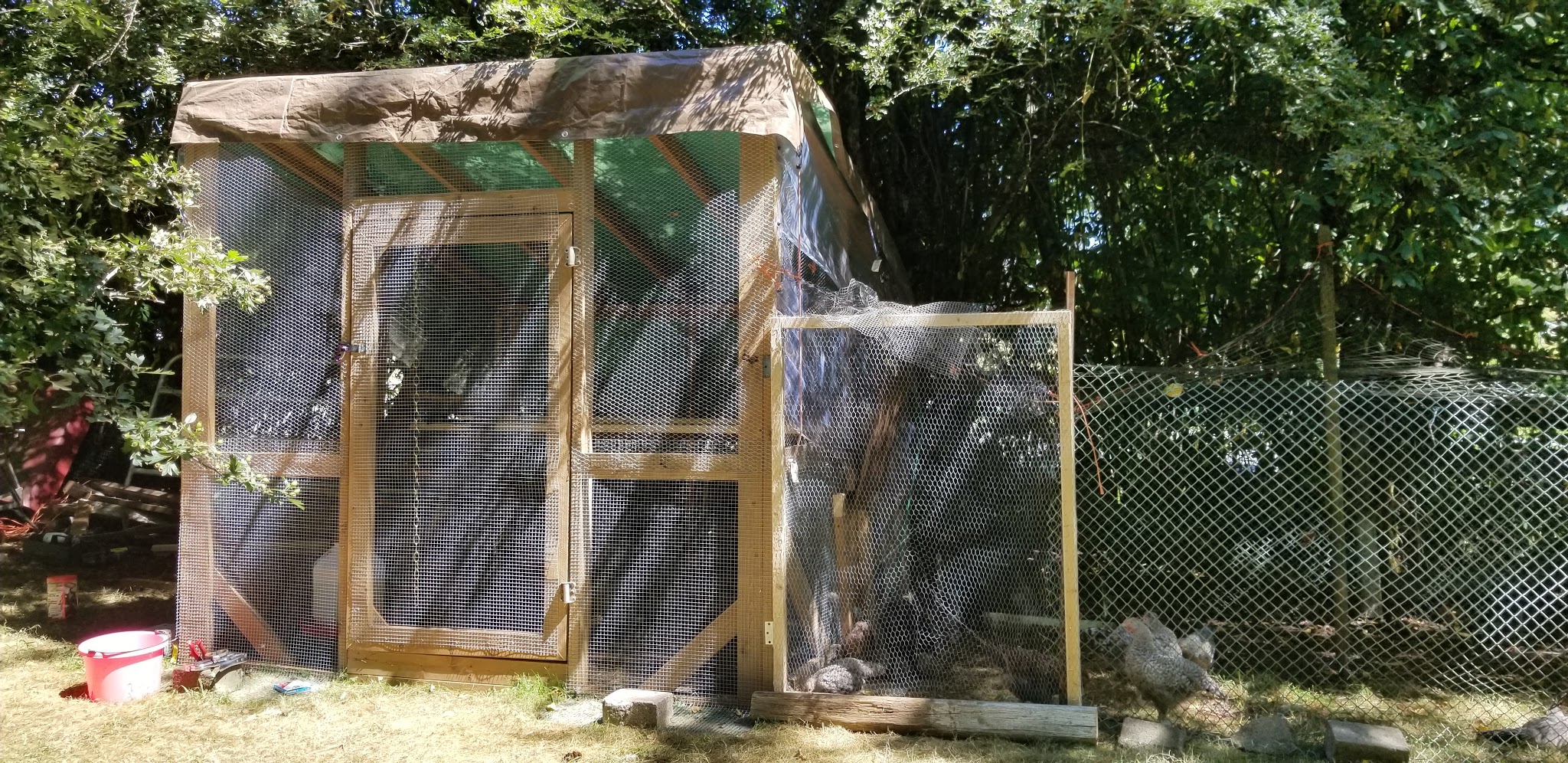
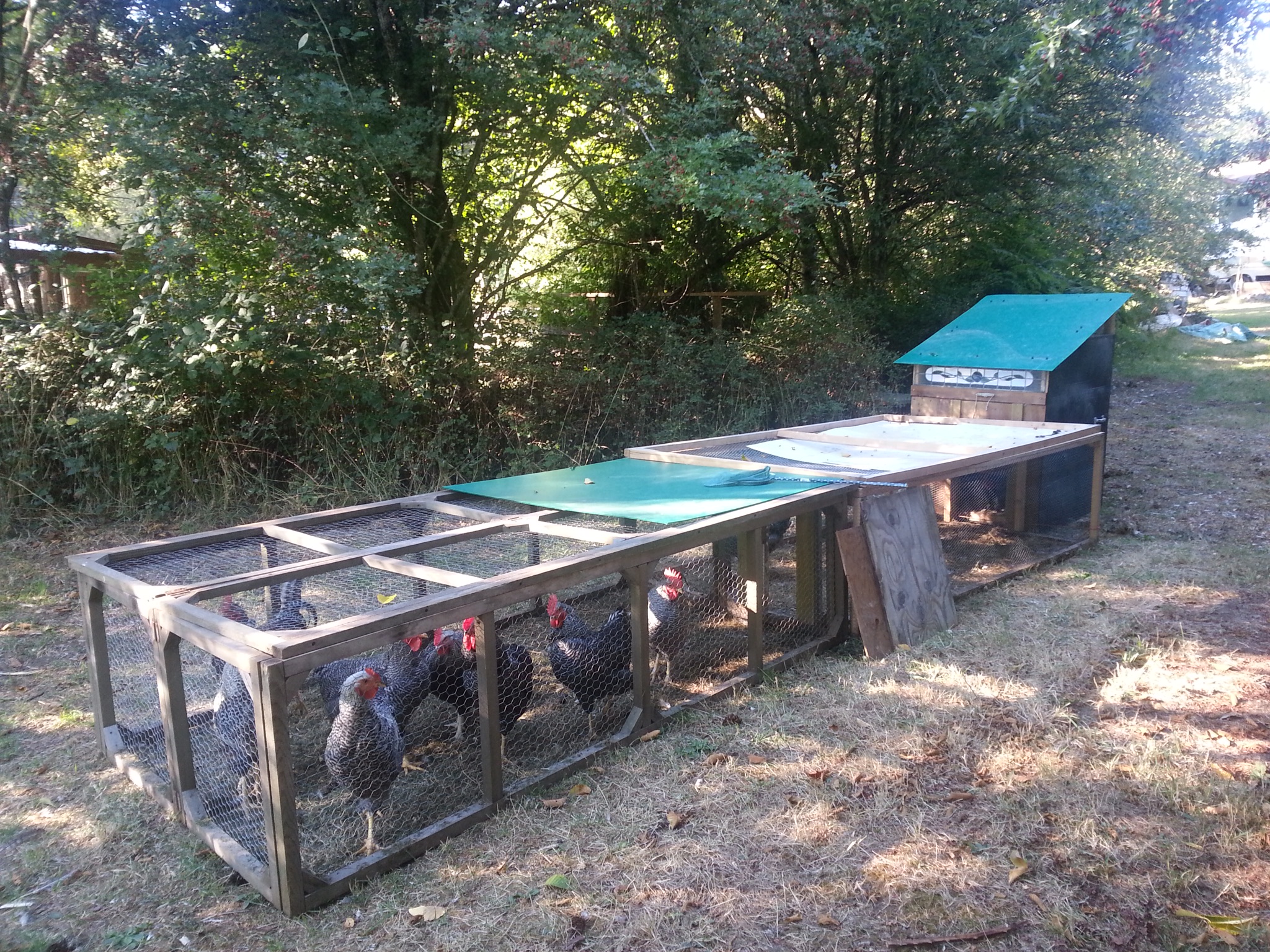
Three weekends of satisfying work, and I am rewarded with a snazzy new rooster coop. The first residents seem delighted with their new digs. It may have been sparked by an uncomfortable night moving birds out of a crappy old chicken tractor, but this has in reality been my first big Covid project.

9E74FDF3-3212-47B1-8BDA-C91BD35E40B8

Circling the wagons, improving infrastructure, provisioning the household,  increasing personal food security. This all brings me comfort and a sense of control in a world where normal looks a long way off.

I know it’s not just me. People everywhere are busy with Covid projects.  Starting new gardens, refurbing or enlarging old ones. Adopting new pets or expanding their livestock holdings (in our case, with ducks). Keeping sourdough starter and scobys, making kombucha and bread. Even Dear Husband turned out a few loaves.

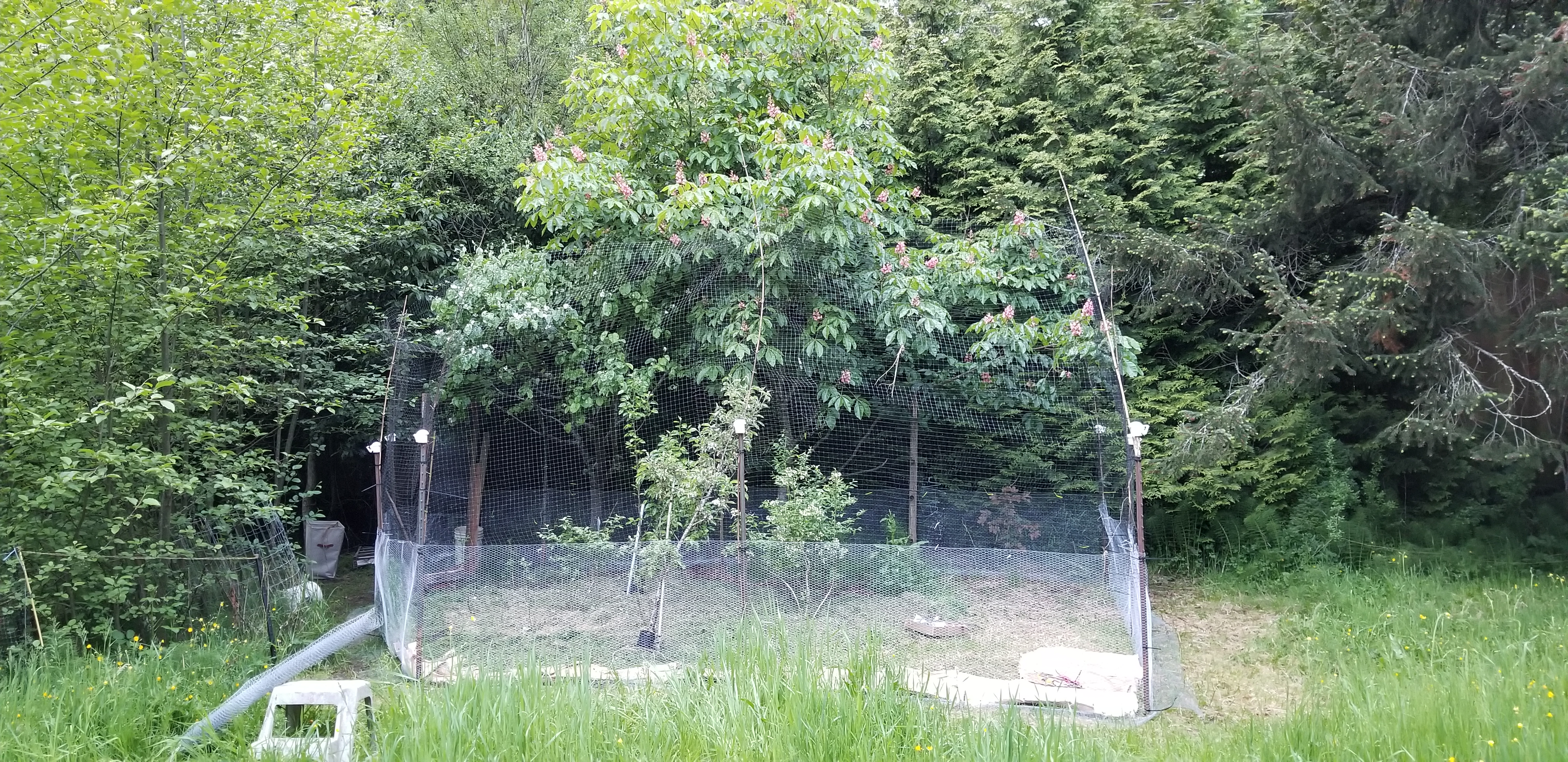
I have to laugh at myself though. I only figured it out today, as I was sitting out there drinking lemonade, admiring my accomplishment. My tall, secure coop, with spacious roosts. My fully netted pen. My grassy 2500 square foot free range yard. Sure it works for roosters, but do you know what we actually have here? The perfect turkey setup.

I have considered turkeys for a few years now, and of course researched their needs thoroughly, on many a snug winter evening by the fire. An informed farmer makes for a successful farmer after all. But I never pulled the trigger on a turkey project because usually, one or another of my neighbours have birds available for the big three turkey-fuelled holidays, Easter, Thanksgiving and Christmas. It’s much easier just walking down the road, handing over some cash, and toting home a delicious zero mile diet roaster. This year, neighbour S is raising them and I’ve already put my name in.

I honestly didn’t mean to build a turkey shed, so I have to have a good laugh at myself. I’m such a turkey sometimes. 😂  But I couldn’t have designed a place more suitable for raising turkeys if I had tried.  Even my subconscious is in prepping mode I guess.

Maybe  I can pick up some turkey eggs next spring, try to hatch a few, see how it goes. Something to muse on, this winter by the fire.
2B3E99BB-91F9-442F-AA98-A833D0F197CA

Thirty 2x4s and a Weekend Later…

568F91E9-D1BD-40D1-B4C0-7A0FAFC77021
Time for a new rooster coop I decided, as once more I found myself crouching on hands and knees persuading reluctant, sleepy cockerels into transport crates. It was the night before freezer camp and I was crating up 2020’s first batch of winter chicken dinners.

The bachelor coop was still perfectly comfortable for its inhabitants, who stood an average of eighteen inches tall. For me though, at five foot seven, it was a little tight, and hard to clean, and after three years, starting to come apart at the seams. It had lasted pretty well for a recycled boxspring floor with plastic pipe studs and chicken wire walls, but I was ready to upgrade.

After conferring with Resident Gardener and Dear Husband, I decided that the rooster coop should stay in the secret field but move to the other side, tucked under a hedgerow for shelter, with its back to the rising sun (to help keep them quiet in the mornings). It should be big enough to walk upright into, for ease of cleaning and handling birds. And the doorway wide enough for a wheelbarrow.

A new fence and gate would let the young cockerels free range over the whole bottom half of the secret field, snacking on bugs and grazing, turning the secret field’s output into chicken. A new pen, attached to the coop, would give them somewhere to stretch their legs when they couldn’t free range.

With that vision in mind, I picked up 30 eight foot 2x4s and a role of half-inch hardware cloth on my Wednesday feed run, carried it all down to the job site on Thursday and Friday using the “grab a couple and take them with you every time you walk by” strategy and started construction Saturday morning.  A quick couple questions to my carpentry mentor DH and I began putting together the base. I only had a couple hours to spend on it though, Saturday is coop cleaning day and I had my regular chores to get done.

This slideshow requires JavaScript.

Today I had no competing priorities, and was able to spend the bulk of the day down in the secret field, working on the coop. So much fun. I used up all but two of the 2x4s, and finished up most of the framing. My new rooster coop is looking pretty good so far if I do say so myself…

Barnyard Inspiration

125FD7C0-D466-4342-840E-7054CC77C4AF
It’s that time of year again, broodies sitting on eggs or raising babies all over the barnyard, with varying degrees of success. Lots of my Marans are broody this year, which is a bit strange. In all the time I’ve kept this breed I’ve only ever had one or two wanna-be mommas. My sister has a Marans broody from my lines, and it appears that now I do too. Except I seem to have seven or eight. Luckily they have mostly been doing a good job, especially for first time moms.

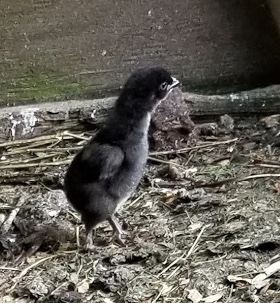
The latest one hatched a surprise Wyandotte x Marans chick last week. It was a surprise because I thought I had put a couple infertile eating eggs under her, to give me time to gather fertile ones and then hatch chicks in the incubator for her to raise. Or at least I thought they were infertile.  I also didn’t realize the placeholder eggs had been under her for quite as long as they had, until one morning I walked into the barn to hear peeping coming from her nest box. Uh oh, we’d had a little accidental hatch, and well ahead of the incubator hatch too. Damn, now I couldn’t give her any extras, her singleton would be a week old when the next group hatched. I would have to do the work of raising that batch myself.

In retrospect, I am glad I didn’t give this Marans any more responsibility than she already had because she turned out to be not particularly interested in mothering. I moved her and the chick out of the nest box into clean quarters, as I do after every hatch, putting them in a large brooder with some two week olds and a heat lamp. After making sure momma was fine with the two week olds, I left them to their own devices.

Over the next few days, little singleton settled right in, playing with the big kids then running under momma’s skirts every time he needed a warm-up. But momma wasn’t happy. She just kept pacing the fence line, all day long. She totally ignored the older chicks, and kind of ignored her singleton. He really had to yell to get her to stay still long enough for him to warm up.

I thought momma might be happier back home, and thus do a better job with her baby, plus I knew from past experience that her baby would be safe with the mostly calm, laid back Marans and olive eggers, so I took them home to her flock, and then carried on with my day.

5C6081AB-4684-42B4-BA61-FCD1FC922575
But at dusk when I went to lock up, what do you think I discovered?  Had indifferent momma made a nest in the fluffy thick shavings I laid down in her preferred corner for that purpose? Was she snuggled in for the night with her baby? No. Of course not. She had hopped up high on a roost, leaving her baby behind on the floor, where he was stomping around peeping pitifully for her to ‘get down here!’

Now the logical next step would have been to take momma and baby out of the Marans coop and put them in a small private brooder, with no roost. And honestly I did think of that first. But when I looked up at the rows of black chickens, preparing to scoop her up, I realized I couldn’t tell which one was momma. And she sure wasn’t talking – none of the 20 black hens looking back at me showed even the slightest interest in the complaining baby below.

So what could I do? I scooped baby up instead and walked him back to where he had come from. He would just have to bunk in with the older chicks, in the only brooder with a heat lamp.

It has been a few days now, and things are going great for little singleton. His bunkmates all snuggle together to sleep, and he just worms himself right into the middle of the pile where I can’t even see him. The heat lamp is only on at night, but he seems to have no problem making it through the day with no momma to warm up under. It helps that it is summer, and that the brooder coop is snug and dry, he can always get in out of the wind. The little guy is actually thriving!  He even has a “bird of a feather” to flock together with, another little black chick who is much bigger than him now, but not for long.

I am pretty impressed with this little guy’s resilience, it’s a talent we could all use lots of in these most eventful days. I hope that I will prove to be as strong and resourceful as my little singleton. It’s sure worth a try anyhow, just look at him go!

Happy Canada Day everyone. And as our most wonderful Dr Henry says…Be kind. Be calm. Be safe. ❤️🇨🇦❤️

707E6ABD-523C-484E-81C5-2346ED7FA7F3

A Solitary Sentry

AB7F3962-6314-41BD-AE07-E6ECEFD3BD02
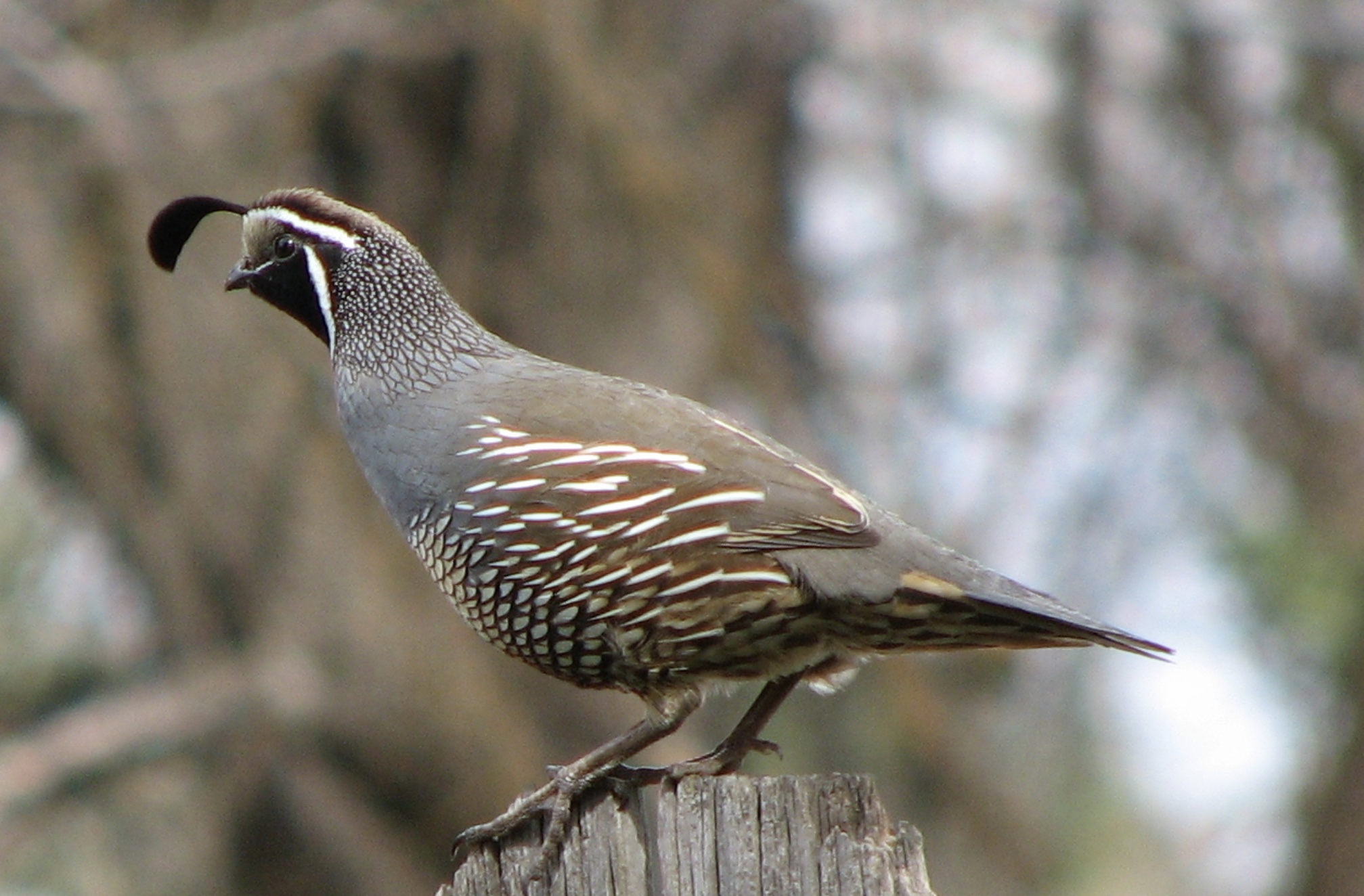
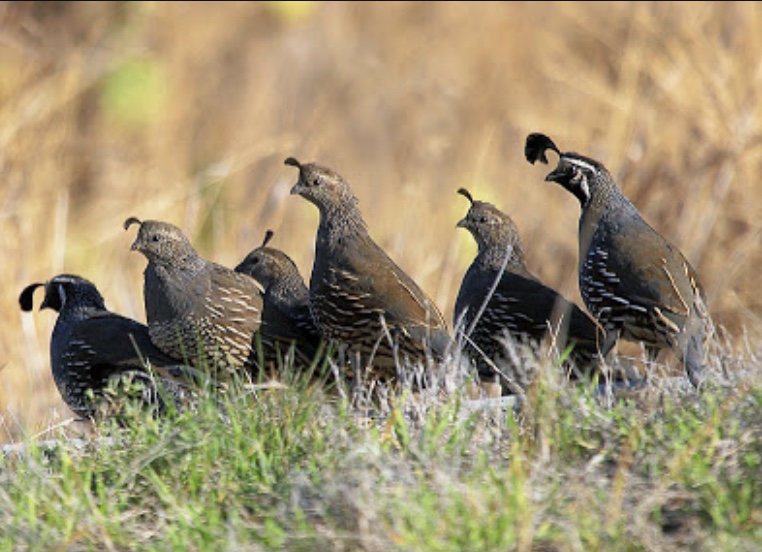
Quail are so common in our muddy valley that we have a Quayle Road just down the way. In the summer months we see them a lot. They dash along the roadside in single file family groups, pacing us for a few seconds before plunging into the brush. Mini roadrunners with legs flying, flouncy headdresses bobbing in front of them as they go.

68640676-2FA9-4D03-9456-606EDD4B1BE1

California quail were first released in the Victoria area way back in 1861, a hundred years exactly before I was born. They thrived, as immigrants tend to do, and are now common all over our valley and indeed most of the west coast. In the fall and winter they congregate in “coveys” consisting of a few adults of both sexes and a bunch of youngsters. Female quail choose a new mate each year in early spring, and the happy couples leave the covey to hatch and rear their brood before rejoining, kids in tow, in the fall.

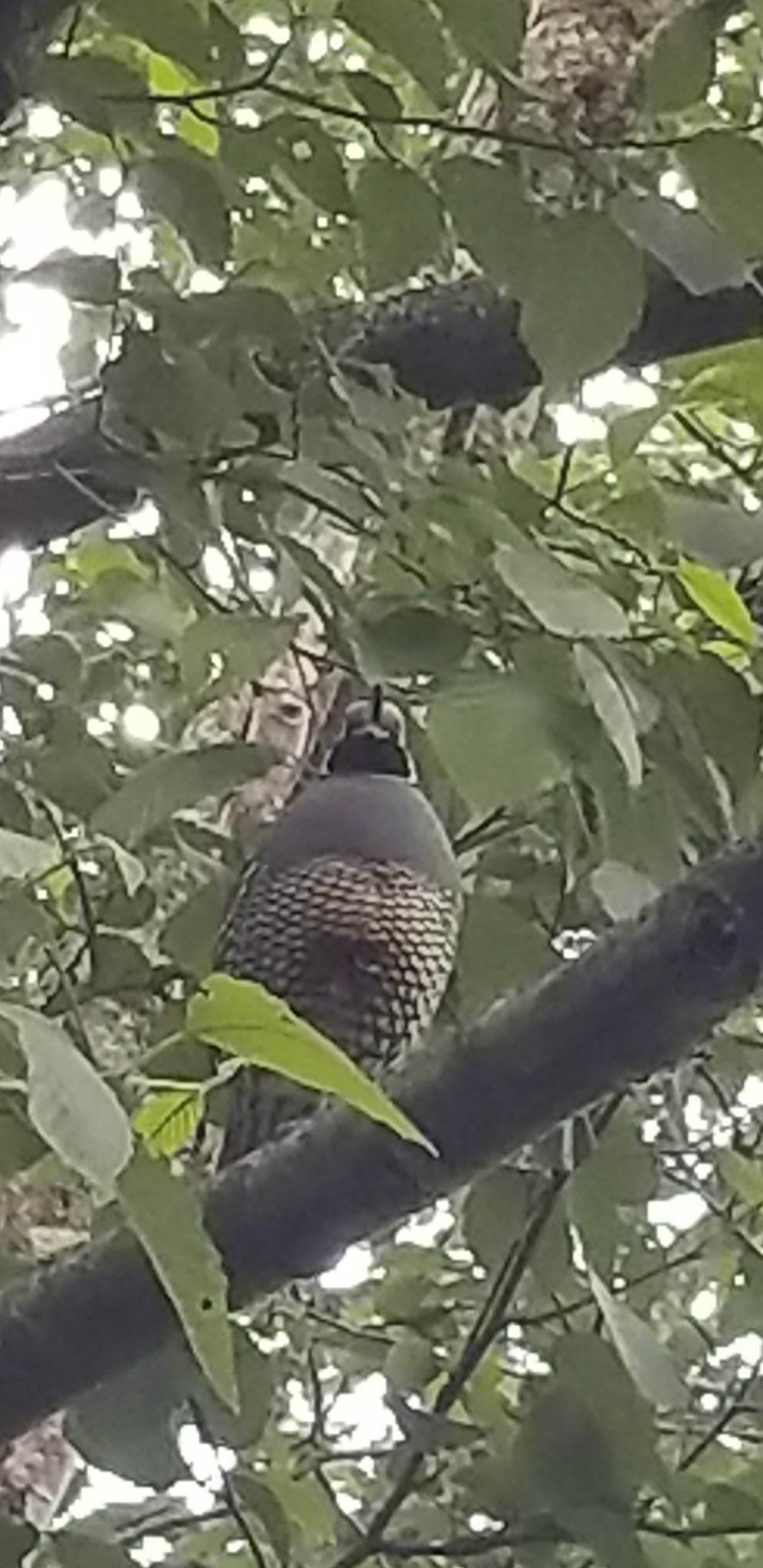
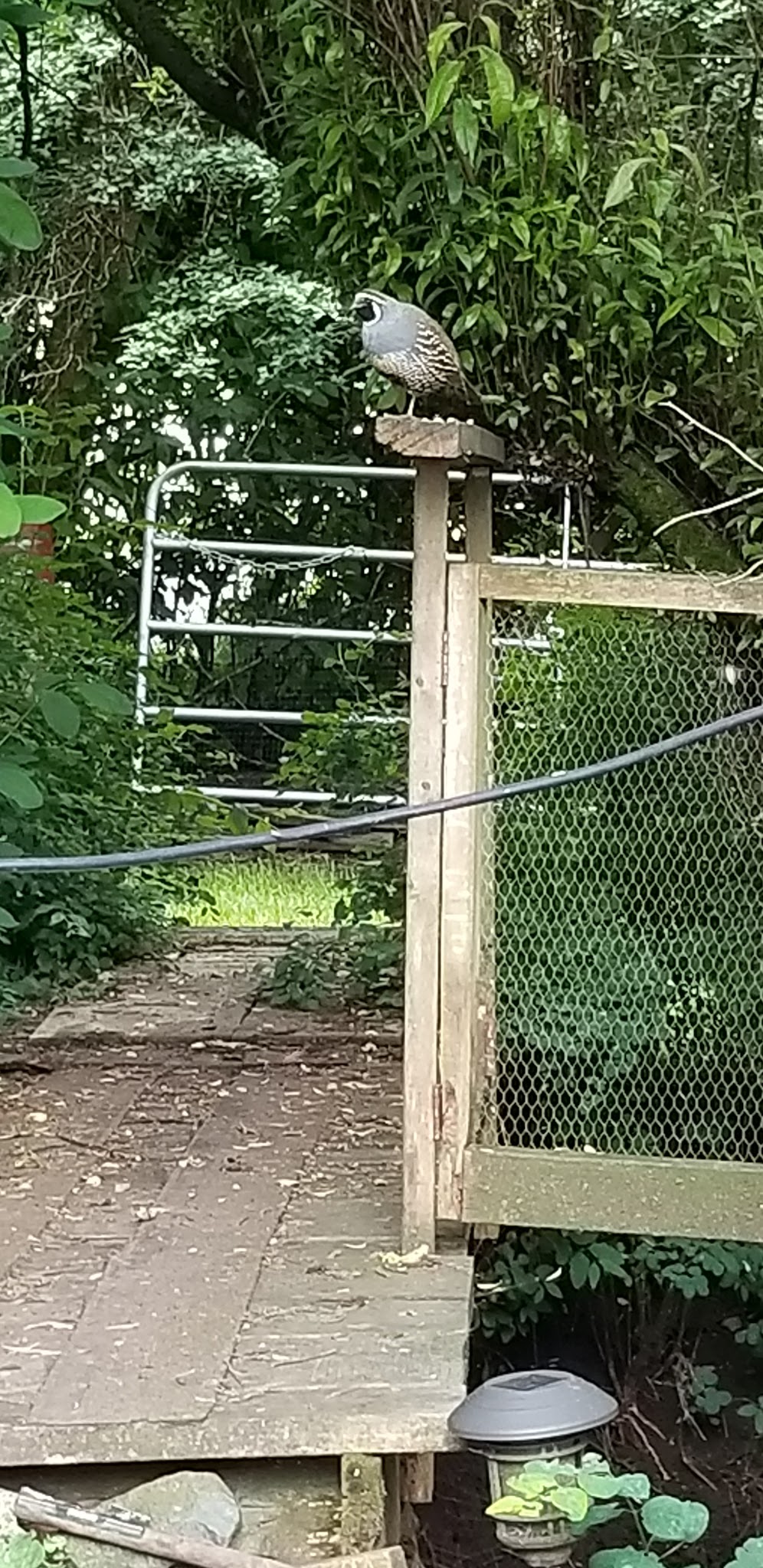
One day a few weeks ago, I noticed a lone male hanging around the chicken coops. That first day, he introduced himself by standing on top of a barnyard fence post, chuk-chuk-chuk-ing at me for all he was worth. When I got too close (rudely ignoring his warnings), he burst up into the air, flew over my head and then dove for the nearest bush, where he hit the ground running. California quail are far better runners than fliers. They use their wings much like chickens do; only in a pinch, and to escape delicate situations.

68D2DC02-2D19-4277-A10F-526E329E3BFD

A few days later, Resident Gardener approvingly noted how well puppy Arrow was doing with his livestock guardian raptor training. “He ran off a quail!” she enthused, “he knew it wasn’t a chicken!” I politely refrained from pointing out that quail may not be chickens, but they ain’t raptors either. Nor did I mention that I had already met this particular quail.

A41F541B-9D97-455E-A22E-1C9D0ABA8FE8

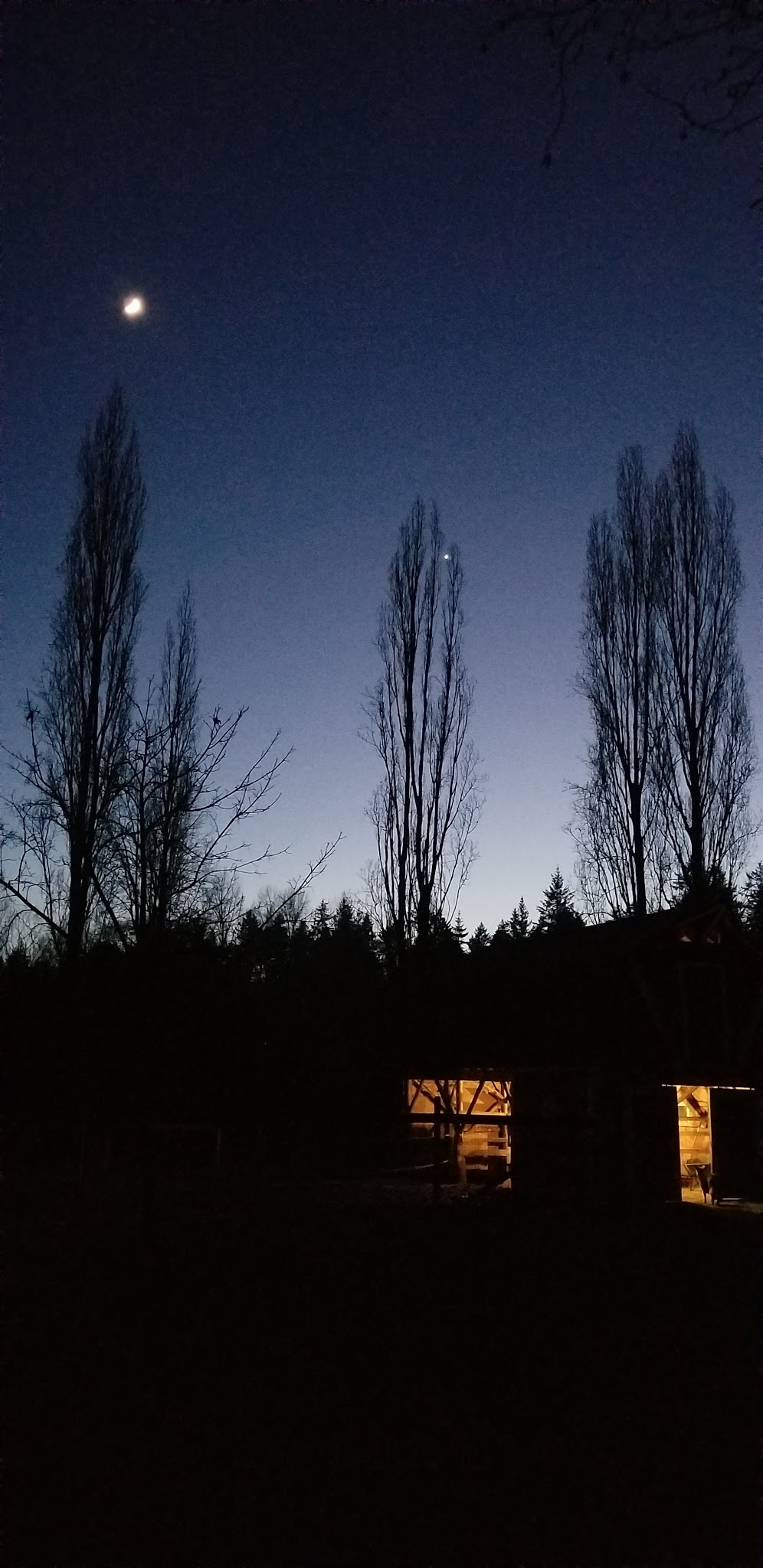
Arrow may have run him off that day, but not for long. Our new little sentry is very much still around, popping up every single time I go out to the barnyard. And every time, I get a stern talking-to, in quail-speak, for daring to set foot in what he evidently feels is ‘his’ chicken empire. It’s a blessing that quail aren’t physically aggressive creatures, or I would surely have had my eyes picked out by now. This plucky little fellow, even smaller than Tiny Chicken, has adopted my flocks as his own, lock, stock and barrel. He stands guard from dawn to dusk, usually on the bridge railing (sadly now unfit for human hands), and roosts up high in the willows at night.

D8018393-F6D5-4B55-A1D7-D22C8B2DDCB7
As you might imagine, I am out in the barnyard a lot, enjoying various chicken keeping activities, and I have become accustomed to his constant surveillance and commentary. Our little sentry continues to get himself quite worked up at my presence and so far he is careful to keep a healthy distance. I hope he gets more approachable over time.

When the roosters call out a warning, the little guy goes ballistic, echoing their concern in his most enthusiastic manner. But it doesn’t work the other way around. When he freaks out because, say, I’ve shown up, the chickens don’t listen. They know I am no threat.

Our barn cat is wary of him now, after their recent run in. The other day as I was filling feeders, Callie decided to come on over for a quick visit and neck scratch. She had made it halfway across the paddock separating the barn and the coops, when a brown and gray feathery spitfire launched himself at her, claws first. Scoring a direct hit, he beat her with his tiny wings, chuk-chuking loudly all the while. Recoiling in utter shock, Callie turned tail and ran to hide in the barn, while our little sentry drew himself up, gave his headdress a satisfied toss, and returned to his post. I believe it is only a matter of time before he does the same to Arrow.

I wonder why he is all alone? Did he find a mate and she meet a tragic end? Or was he fated this year to be a bachelor, with not enough females to go around? Did he willingly strike out on his own, eager for a big adventure? Or get the boot? I will never know his story, only that I am now part of it.

I probably shouldn’t be encouraging wild birds to stick around, they carry disease as all wild things do. But my flock free ranges all day anyway, I couldn’t keep them insulated from wild birds unless I fenced the sky. Strong healthy birds fend off disease, so I will focus on good husbandry, and give my birds their freedom, and enjoy my little solitary sentry. I wonder how long he’ll stay?

E0F83B8B-D6EF-4527-BA00-A978804C0135

Bits and Bobs

I have a weakness for vintage sewing thread. Well, ok, I have a weakness for vintage. I scoop my flour and sugar from 1950s Kromex copper canisters, I cook on a 1953 Moffat Coronation stove, we eat from vintage-style Fiestaware dishes at a 1930s oak kitchen table in a humble 1970s farmhouse and when I started making butter, well of course I had to try a vintage butter press.

My romantic brain is drawn to the ‘good old days’ when life was simpler, even as my logical brain reminds me that no, of course it wasn’t. Humankind has always struggled, and today, for all its troubles, the world where I am blessed to be living my quiet little life is truly a wonderful place. I, along with billions of my fellow humans, face much less struggle, toil and suffering than our forebears faced throughout most of history. Yes, even in a pandemic.

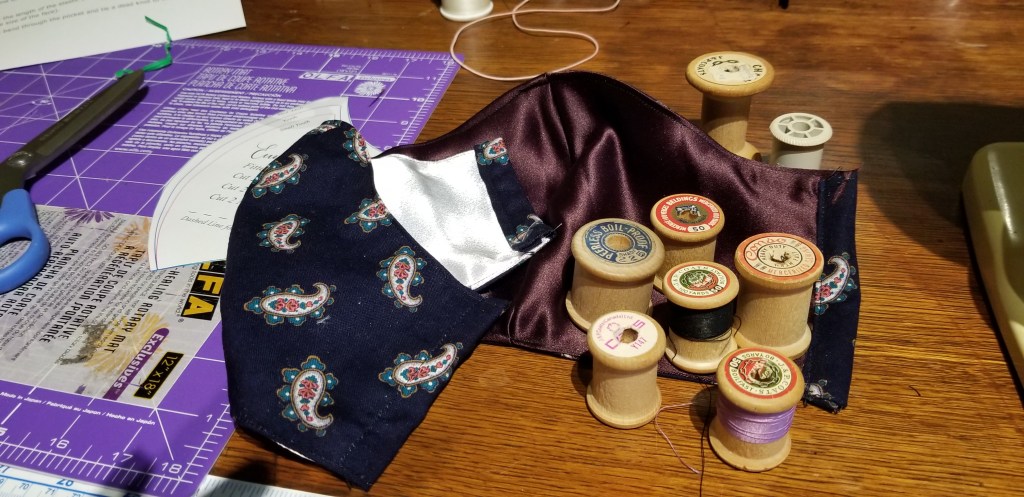
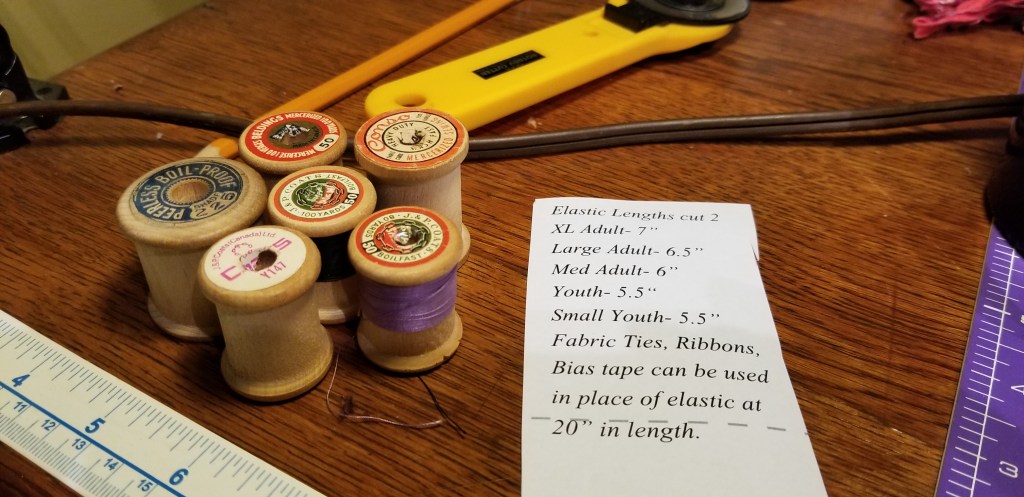
I spent much of yesterday sewing masks. I am onto my third pattern now, waylaying various-sized family members and test fitting as I go, weighing the alternatives of elastic ear loops (good for short stints), shoelace or bias tape ties (best fit but complicated to get on), satin linings (sumptuous) and which cotton print for the outsides? Funnily enough, it is the men in my life who are the most worried about fabric colour and pattern. They prefer the somber, serious look.

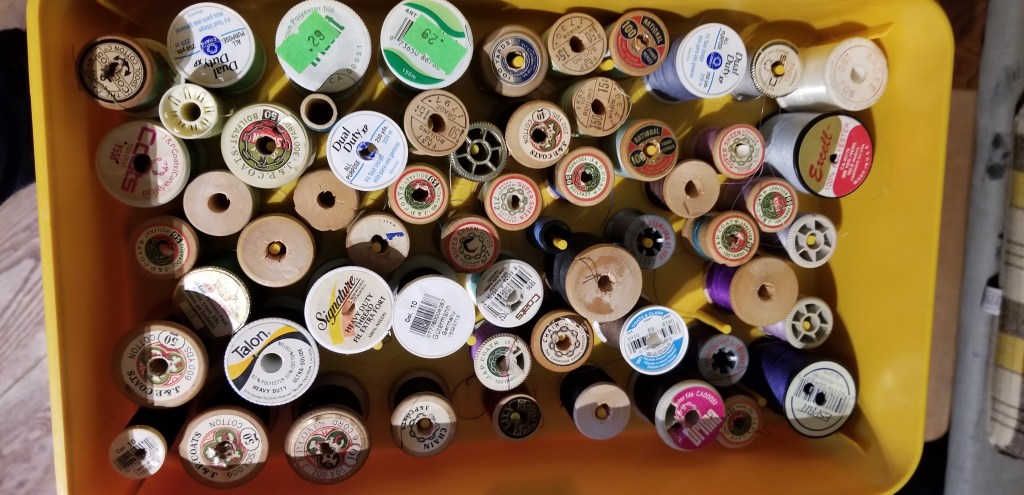
Much to my delight, I am finally using the many small bits of fabric that I have held onto over thirty-plus years of sewing projects. I knew they would be good for something some day! Even better, I am finishing up some of the bits and bobs of thread of all colours that I have collected.

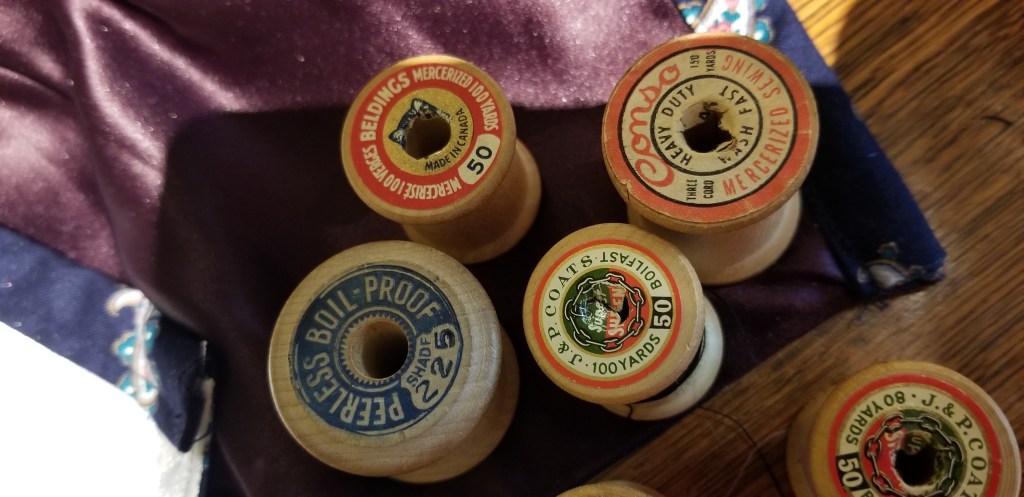
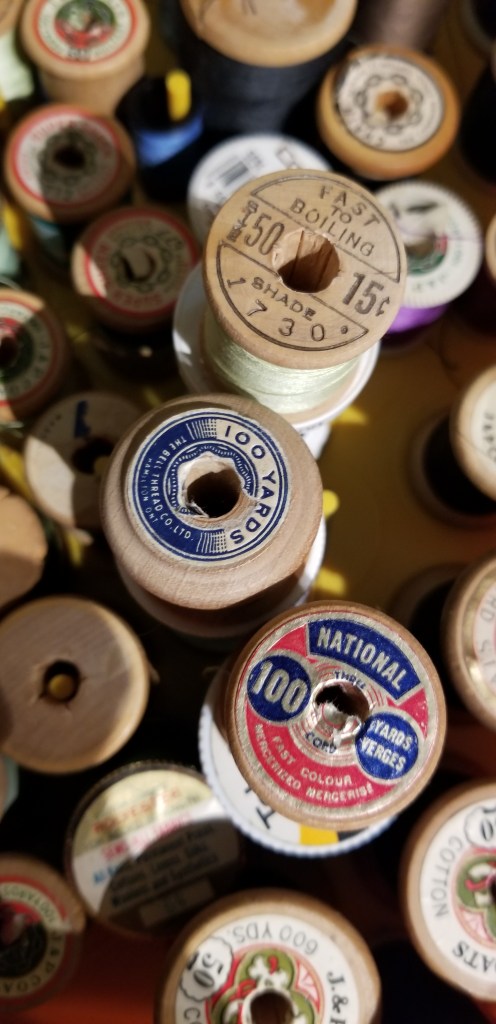
I have a particular weakness for vintage thread, and am incapable of leaving behind any small plastic bag of wooden thread spools discovered at the local thrift store. Laboriously sorted, packaged and labelled by intellectually challenged workers sifting though long tables of donations in vast charity warehouses (I imagine), these little dollar-or-two bags often include some real treasures.


Pure silk thread from the late 19th century in a rainbow of colours, my best-ever find. Boil fast depression-era thread from back when boiling laundry was what women did, every toilsome laundry day. Heavy duty cotton, for mending thick coveralls and denim. J. & P. Coats, like Mom had. All on solid wood spools and many with their original, delightful labels.

I can’t help thinking these threads are a cut above what I can buy today. Some are a hundred years old, and still sturdy and brightly coloured. Incredible, beautiful, useful talismans of the past that link me, in a chain reaching back through the mists of time, to who knows how many incredible, beautiful, strong women. Women who like me lived their quiet lives, but with probably much less freedom, much less comfort, much less idle time and much less healthcare than I enjoy today. Woman like me who sat sewing for loved ones, listening to the radio, or the rain pattering on the roof, with hot cup of tea at their elbow, mending basket at their feet. Snug, and for the moment, content.

Fortress Blueberry

We all love blueberries around here, so two or three years ago I brought home a couple blueberry plants from the feed store, and planted them out near the pond in the Tarzan Tree field. We wrapped plastic netting around them, and left them to their own devices. They never did much, returning our almost-complete lack of attention with their almost-complete lack of fruit, the ultimate tit-for-tat.

Growing no less fond of blueberries as time went by, this year I doubled down tenfold. When the blueberry man posted his Facebook ad I answered it, and a couple weeks later ten nice blueberry bushes appeared in our driveway. I was going big.

Resident Gardener rolled her eyes a little bit at my folly, but she took half of them out to the Tarzan Tree field and planted them anyway. She had been giving my poor neglected blueberries some love, and a bit of pruning, and this year they actually had some flowers! When the five new ones went in, it seemed we had achieved an actual blueberry patch!

Fast forward a few weeks, and I’m looking for a new project since I now had the raspberry patch sorted. So when RG mentioned the bunnies had been getting at my new blueberry bushes, I went to check it out. Little buggers! Our jury-rigged plastic fence enclosure obviously wasn’t up to the job. The five plants she had set out were now half the size of the five she had transplanted into bigger pots and arranged beside the house until the fall rains came, when we would add them to the patch.

Well, here was my new project. I couldn’t have asked for a more clear wake-up call. I had a blueberry patch now, dammit. I wasn’t going to let those dang bunnies take out my blueberry patch!

Over the next few weeks, in spare minutes here and there, usually at the ends of long days, I would wander out to the blueberry patch and do a bit of work. I scavenged materials from all over the farm, a part-roll of chicken wire left over from coop construction, some rusty but solid t-posts donated by a generous neighbour, some slender eight-foot bamboo poles harvested last fall from our prized clump of black bamboo, and of course the yards and yards of six-foot plastic deer fencing that had enclosed the blueberries, useless against the bunnies but perfectly suited to stringing from bamboo poles to keep the deer out. I even had all the zip ties I needed. My only purchase was the white plastic t-post fence caps, to prevent clumsy horses impaling themselves.

Having researched effective bunny fences online, I started my install. Pounding in the posts to form a nice big enclosure was the easiest bit. Rolling out 70 feet of 4-foot chicken wire so I could fold up a border a foot wide all along, then rolling it up again and man-handling it over to where I had installed the t-posts, so I could unroll and fasten it along the fence line, was the trickiest bit.


Uninstalling and untangling, then reinstalling the plastic deer fencing RG had jury-rigged was the most time-consuming bit. Building the gate was the hardest bit, luckily Dear Husband came along just as I had finished the basic frame, pointed out it’s shortcomings, and pitched in to help correct it. A good teacher as always, DH more facilitated my build than took it over.

One of our big city pandemic refugees, a young man currently furloughed from Vancouver’s film industry, went after the weeds with a vengeance. He had almost the whole patch beautifully weeded in one afternoon. RG mulched along behind him, as I continued work on my fence.

9751EFDA-8EAF-484C-820C-D9A8EEBBD13D

On Mother’s Day we finished our magnificent blueberry fortress. Almost. We will sheet mulch the grassy areas so they will be broken down and ready for the other five bushes in October. We may need to add some featherlight netting to cover the top before the berries ripen, to save them from the birds. RG thinks not. Her theory is that there are so many wild berries in our valley that ripen in August at the same time as blueberries, we may be ok. Time will tell. One thing for sure, those darned bunnies are going to have to go elsewhere for their blueberry fix now. Unless the little buggers can chew through chicken wire.

8A9382C2-D5EA-45EF-B950-E9CD4C348DEE

Adventures In Soil Testing

“I’d like to test our soil this year”, Resident Gardener announced one day last winter, “it would be good to know for sure what our pH is”.

“Alright” I agreed, “I’m pretty sure it’s slightly acidic, but I’ll pick up one of those test kits next time I’m at the feed store.” I’d thought of our soil as slightly acidic for as long as I could remember. I had a vague wisp of a memory relating to a soil test in the remote past, maybe twenty or so years ago. So long ago that I remember absolutely nothing about the actual act, other than I had a hunch our soil had turned out slightly acidic. This ‘slightly acidic’ nature of our soil was by this point really just a legend, valley lore so to speak.

I checked out the kits that week during my feed store visit, and wow, $29.99!?! For a couple little plastic test tubes, maybe 50ml of coloured liquid, and a booklet? Yeesh. THAT wasn’t gonna happen, not without some research into more fiscally responsible options.

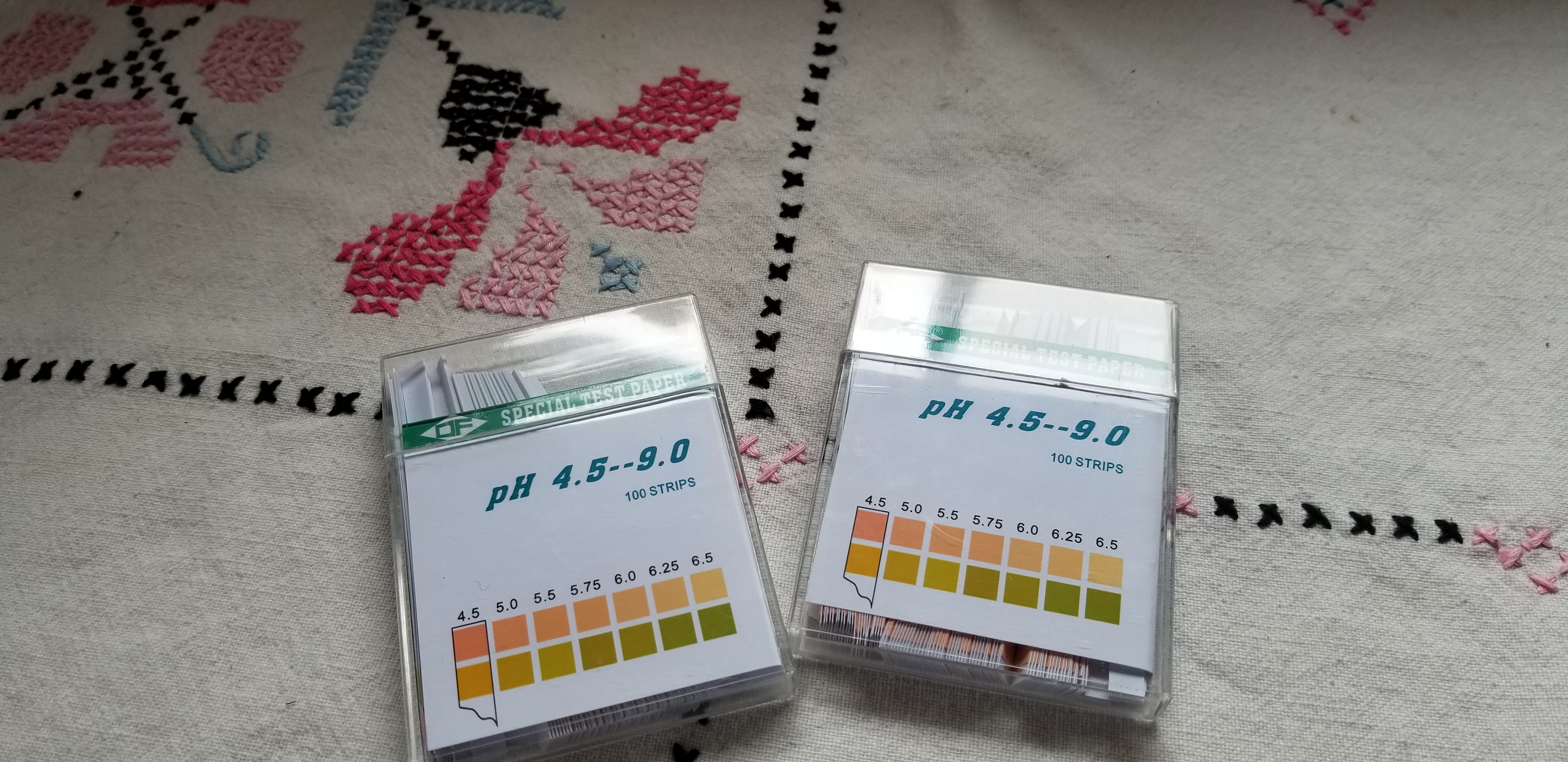
That evening I went online and looked into it. I could buy that feed store kit from lots of suppliers, but I could also, I discovered with delight on a prepper website, buy enough pH test strips for a couple hundred soil tests for under $10. Jackpot! I placed my order, making sure I chose the pH 4.5-9.0 ones, not the 0-14 ones that are too broad spectrum for meaningful soil testing. And I went for the free shipping of course. I could wait.
523F9378-66E8-44B1-A08A-844466ECD772

My new pH test strips took forever to get here, on the slow boat from China, and of course by the time they arrived it was spring, we had a pandemic starting up, and I had a package from China in my hands. Ulp. I shook off my paranoia, rationalizing that any virus would never have survived that long ocean voyage anyway.

A couple days after my test strips arrived, in a free moment, I pulled up the prepper website and read the article again. I had the test strips, what next? Damn! I needed distilled water! I thought for a moment about distilling some, quickly discounting the idea as far too labour intensive, and decided I would just have to pick some up from Crappy Tire. I slung my homemade face mask around my neck, and off I went to brave the retail jungle.

Unfortunately, Crappy Tire does not sell distilled water, only de-ionized water. Argh. Back to the drawing board. Where could I get distilled water? Enquiring minds needed to know! Maybe the drug store? A few days later, I donned my face mask again and ventured out to our local drugstore, where…victory! They had tons, in four litre jugs, for a couple bucks each! Woo hoo! I was in business, and still way ahead compared to that pricey kit. Sure it had taken me more than a month of waiting for the mail, plus two trips to stores during a pandemic, but I finally had everything I needed. It was time to play scientist.

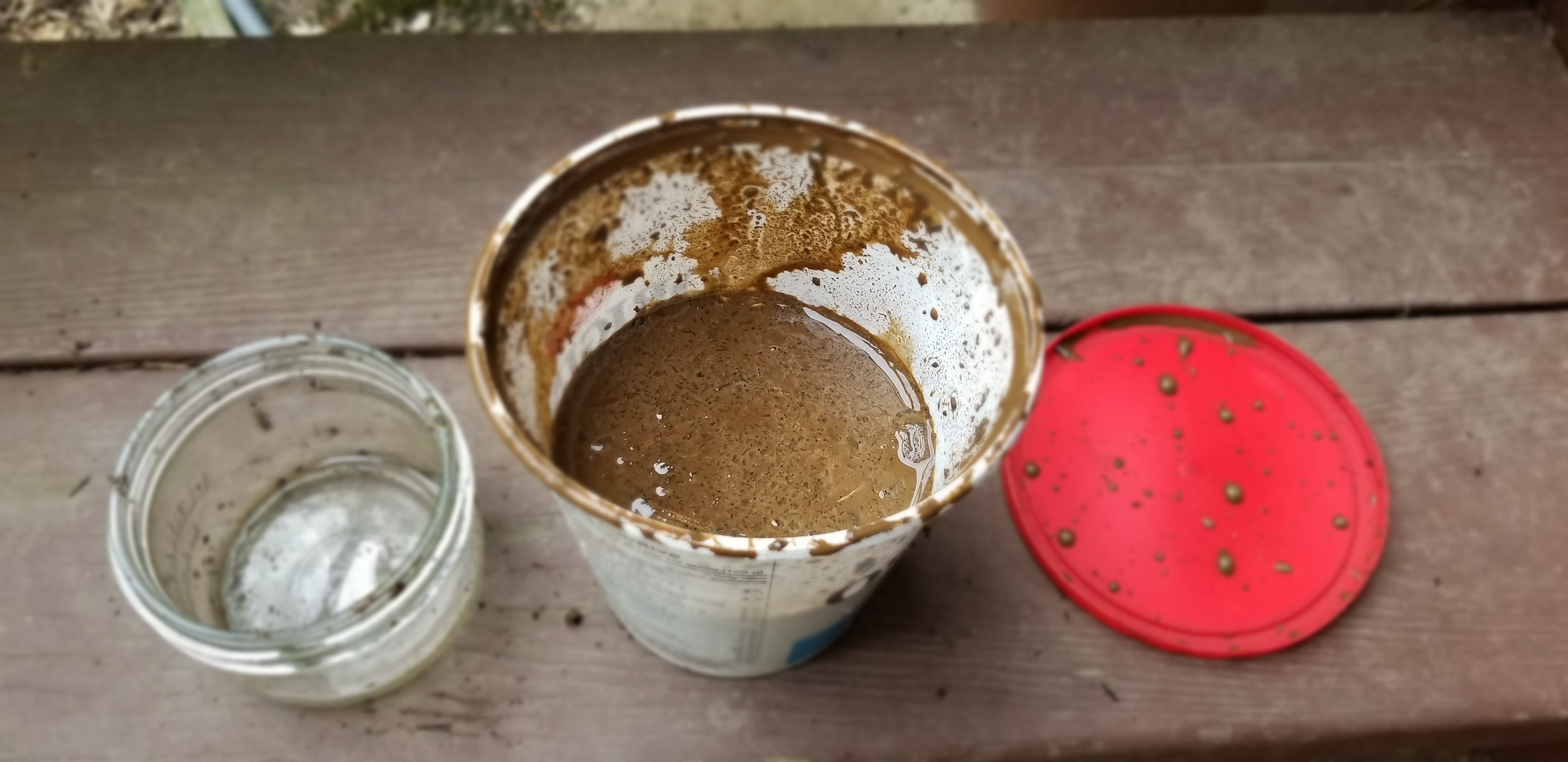
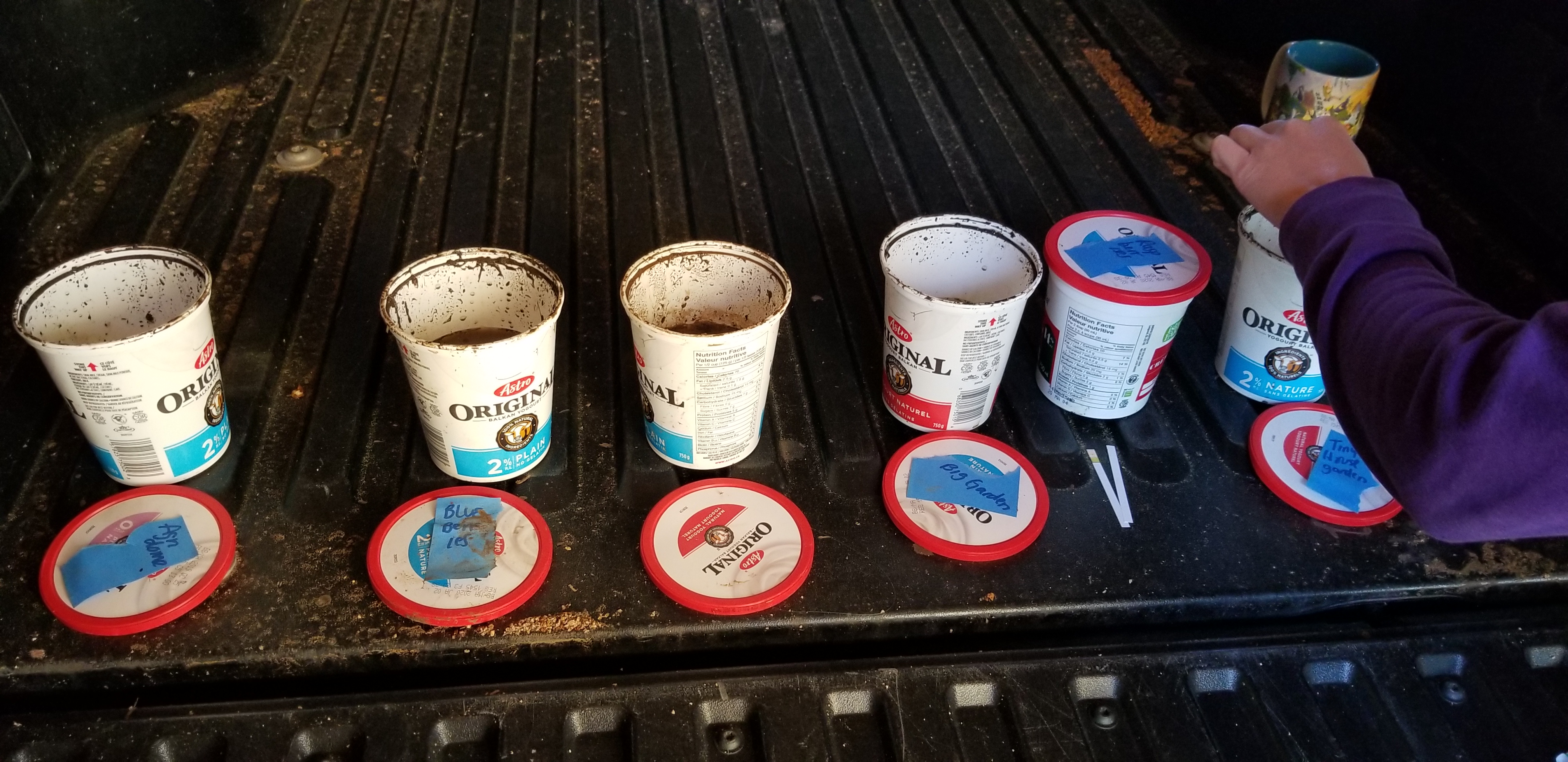
“Slice four to six inches vertically into the soil” read the prepper article, “remove a slice and put it into a bucket. Crumble well, removing all rocks and twigs, then measure out one cupful into a container.” I levered the first wedge of dirt into my bucket, crumbled and cleaned it, and measured exactly one small mason jar full into the first of the five yogurt bins, one for each major garden. I lidded and labelled it, then moved operations on to the next spot. Blueberry patch, raspberry patch, big garden, tiny house garden, agridome. Once I had all my cupfuls of dirt in labelled yogurt bins, I returned to the carport where I had stashed the distilled water. A mason jar of water went into each bin, and then I gave each a good thorough shaking.

“Wait half an hour” the prepper website advised, “the dirt will settle, leaving clear water at the top into which you will dip your test strips”. But at the end of half an hour, the contents of my bins still resembled lumpy chocolate milk. We were going to have to leave them overnight. “That’s clay soil for ya!” RG cheerfully observed as I carefully stacked the bins on the deck stairs, one per step, up tight against the railing so traffic could get by.
D40D697E-A9C7-4977-B10A-55748BAD945B

A couple hours later as I was sitting in my chair reading, a kerfuffle broke out on the deck and RG called me down, urgency colouring her voice. Liza had been following her up and down the deck stairs as RG collected her seed potatoes for planting, and her floofy wagging tail had knocked over one of the yogurt bins. My blueberry patch test sample was now a small mud puddle at the foot of the stairs. So off I went again, to dig up a fresh one. Since I was at it anyway, I figured I might as well go up and grab the orchard sample I’d overlooked the first time out. Up against our valley’s east side, sandwiched between the driveway and the road, we were pretty sure the orchard was planted on fill brought in when the house was built. The soil in that area was a completely different colour and texture from the rest of our muddy valley. What pH would it be? I was sure it would differ radically from our rich black valley bottom soil!

I gathered the two samples, added the distilled water, labelled, lidded and shook them, then tucked all six bins inside my truck bed, where they could hang out safely away from puppy dog tails until the next day. Surely the dirt would have settled by then.
169CA442-BA6E-4EFC-B349-2938721B4279

Yesterday was the big reveal. It was finally time for our muddy valley to give up the secrets of her soil acidity. Oh the excitement! We solemnly assembled in the carport, lined up the six bins on the tailgate, carefully removed their lids, and dipped the first two test strips into the the first sample. Uh huh…and it looks like…ph 6.5. Slightly acidic. Ok. Onto the next one. Uh huh, uh huh, looks like….Ph 6.25. Slightly acidic. Ok. And so it went. Every single sample, even the light red orchard soil! Between 6.25 and 6.5. Slightly acidic.

But wait! These results seemed so…close. Were our test strips bona fide? We needed a control! RG ran upstairs and got a bowl of baking soda in water and a bowl of lemon juice in water. We dipped and peered at the test strips. Oh yeah, they worked great! Look at those colours!
DDF2D681-AF4B-4379-A873-7F1776170FC0

It had been a long journey, fraught with unforseen obstacles, but we had finally confirmed it. Our muddy valley soil is…wait for it… slightly acidic. A bit of an anti-climax I know, but boy, it’s sure a good thing I didn’t spend all that money on an expensive feed store soil test kit! Plus I have the means to conduct a hundred more soil tests, should I ever want to. Probably not, but it’s good to have options, you know?

9AF1E63A-DCC4-4B5F-90D0-8E1CFA084C21

Counting on Ducks

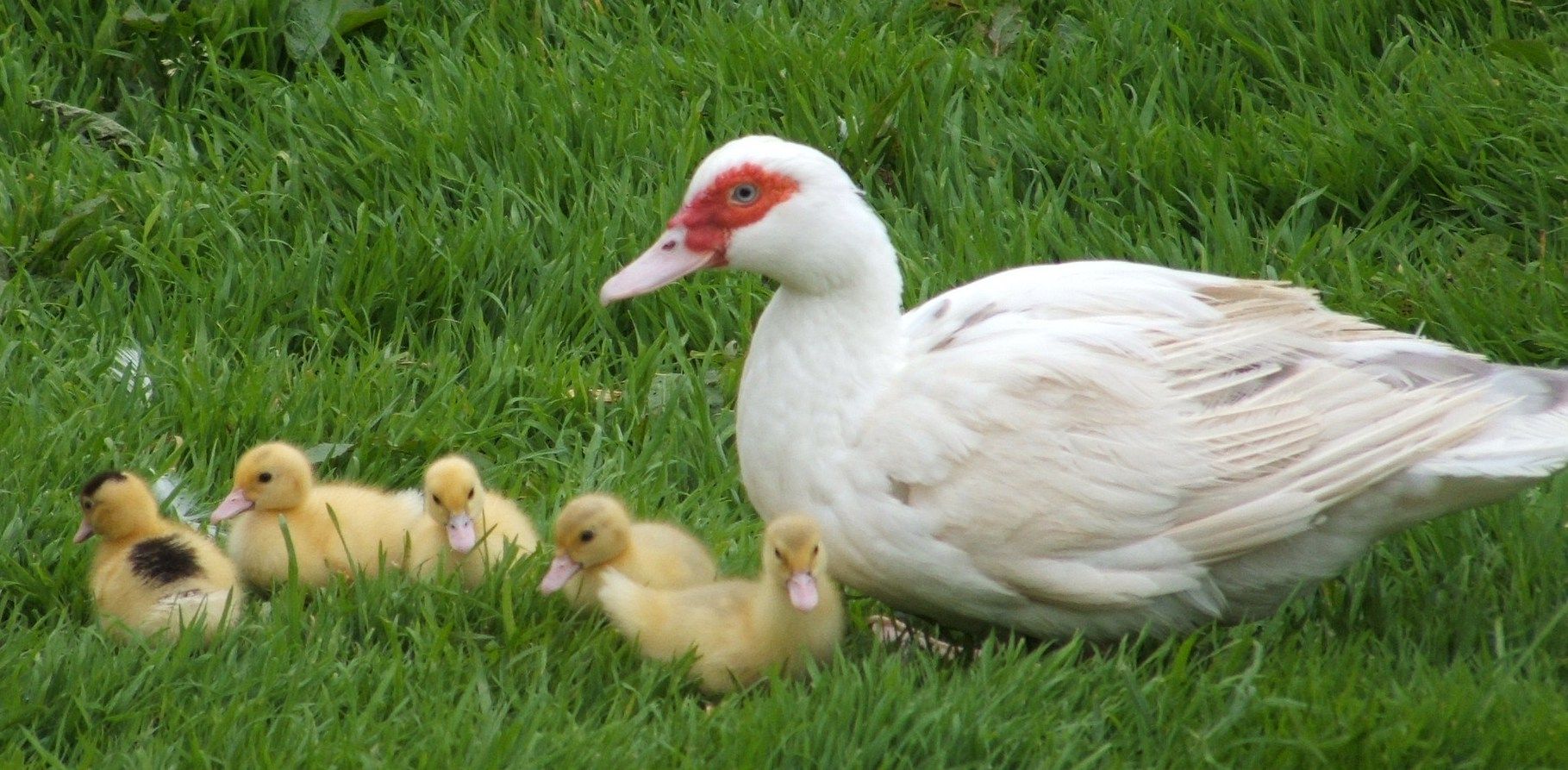
Early Friday morning I went for a drive along the quiet roads, my first outing in more than a week, to pick up a few Muscovy duck eggs from a pony-tailed young mom with a baby strapped to her chest. We did the Covid dance, she advancing and laying the egg carton on the ground, then retreating, then me moving forward to carefully pick it up with gloved hands and slide it into a bag. Swing your partner do si do.💃

I haven’t hatched duck eggs before. I tried once with eggs shipped from Manitoba, but none even started and the breeder graciously gave me a refund. So this should be interesting.

9AA1C33A-0655-4230-95C0-E7EB20C42C73
We have been pondering ducks for a few years now, to help deal with our somewhat dire slug situation, but have never quite committed. This is because we know that ducks are talented mud generators, and we have quite enough mud in our valley already.  We also worry that they would destroy our lovely pond. But the garden is bigger and more important this year, and RG is tired of midnight slug hunts, so we’re finally ready to take the plunge.
Plus, we have a
 disaster readiness plan firmly in place. If it all goes sideways, we shall eat them, and thereby exact our vengeance. Apparently Muscovy meat is tasty, very lean, and red, with some gourmands comparing the breast meat to sirloin steak, or expensive ham. Not what one would expect from poultry.

A kind neighbour gave us the five foot t-bars we shall use to stand up their run, to be fashioned from a roll of welded page wire that was hanging around looking for a job. The old mobile rooster tractor, to be parked near the pond, will be their abode. Unlike other ducks, Muscovies like to perch, so the tractor should work well. First their brooder, then their coop, the rooster tractor will be the only home they will know. Hopefully, once they are grown, RG will be able to wheel them at night to wherever she needs help with slug control, let them out in the morning to do their work, and they will docilely go to bed in their tractor each night, safe from predators. This may be a bit of a pipe dream, we will find out eventually.

A245E240-8894-4AD1-A39E-DDEAFE504E7D

Other than the fifteen bucks I spent on the eggs, we haven’t shelled out a dime so far. We will have to pick up some duck food I suppose, but that should be our total cash investment.

I am looking forward to ducklings, but I had better not count them before they hatch. To achieve my efficient feathered slug patrol, I have to get them out of their shells and raise them first.

81609035-9134-4409-8AD1-CB826B5A458F

April Fools’!

Google may have cancelled April Fools’ Day, but my silly husband didn’t get the memo. After forty years of him savouring every April 1st, I should have known I could count on him to coax a giggle or two out of me, even in the midst of a pandemic. I can’t remember most of the tricks he’s played over the years, although the one where he duct taped the kids’ bedroom doors shut is hard to forget. I think it was all the scraping and trim repainting required after three kids howling with laughter ripped duct tape from their doors. Or the niggling thought that perhaps partially disabling their exits for a night might have been not quite super safe. But all’s well that ends well and we got a precious family memory out of it too.

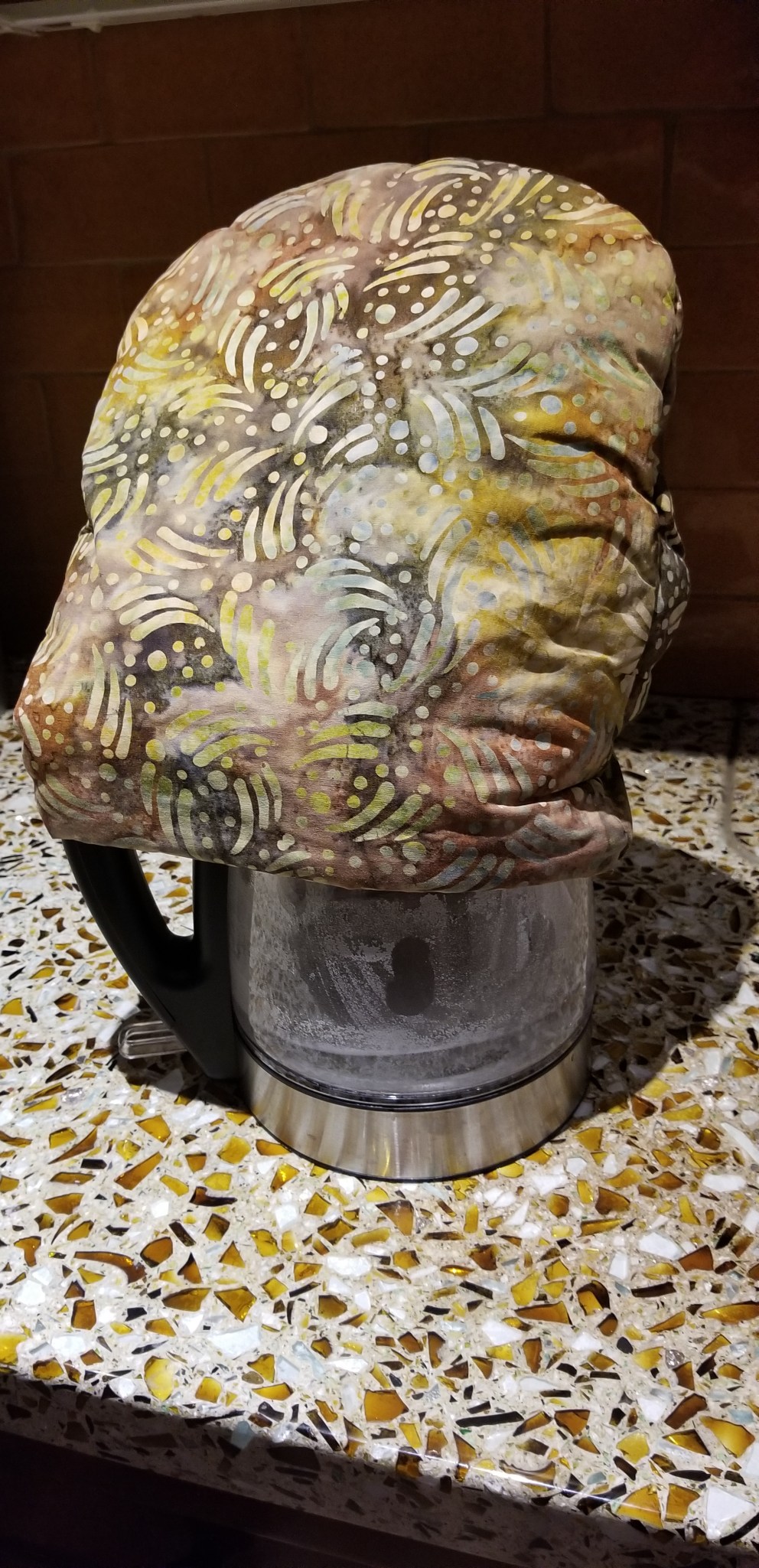
This morning when I got up and headed to the kitchen to make coffee, I couldn’t find the kettle. As usual, it took a while for the penny to drop. Ohhhhhh, April 1st.

I finally located it, camouflaged by the cozy we use to keep the bodum hot. I smiled, thinking “of course he couldn’t resist” and feeling relieved that he had been gentle with his trick this year, and I had figured it out so easily. I should have known better.

531BBD66-484B-4B62-B549-503B2A0555A5
When the kettle boiled I opened the drawer to grab the coffee, and discovered that, as usual, he wasn’t quite done with pulling my leg. My morning scavenger hunt ended, as so many hunts do, right back where I started. How did he know that when I saw his first note, I’d head off on that wild goose chase, rather than opening the drawer to its full extent to find the coffee canister hiding at the very back? By the time I had the coffee brewing I was giggling hard.

And how did he know that I would next grab my phone, to take some shots so I could share? It took a little bit to get my phone out of the case it sat in backwards, so I could use it. “I wonder if he’s done yet?” I thought. Again as usual, I will spend the rest of the morning warily living my usual routine, waiting for the other shoe to drop.

Well, I did marry him because he made me laugh. And forty years later, I’m still chuckling. ❤️ Happy April Fool’s everyone!

2B7D2BF3-D4EC-417D-B2E2-2A8835A0F1AD